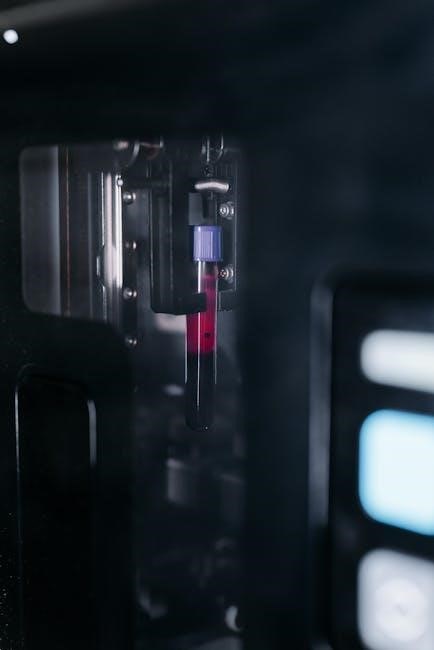
Sysmex Xn-1000 User Manual PDF: A Comprehensive Guide
Welcome! This detailed guide assists users in fully understanding and utilizing the Sysmex Xn-1000‚ maximizing its features and benefits for optimal performance․
The Sysmex Xn-1000 represents a significant advancement in hematology analysis‚ offering a robust and reliable platform for clinical laboratories of all sizes․ This automated hematology analyzer is designed to deliver accurate and efficient complete blood counts (CBCs) with extended parameters‚ aiding in the diagnosis and monitoring of a wide range of hematological conditions․
This instrument utilizes cutting-edge digital flow cytometry technology to provide precise cell counts and differentiation․ Its user-friendly interface and streamlined workflow contribute to increased productivity and reduced turnaround times․ The Xn-1000 is built for consistent performance and minimal maintenance‚ ensuring long-term value and operational efficiency․ Understanding its capabilities is key to maximizing its potential within your laboratory setting․
Purpose of the User Manual
This comprehensive user manual serves as your primary resource for operating the Sysmex Xn-1000 hematology analyzer effectively and safely․ It’s meticulously crafted to guide both new and experienced users through every aspect of the system‚ from initial setup and calibration to routine maintenance and troubleshooting․
The manual details procedures for sample preparation‚ analysis execution‚ and accurate result interpretation․ It also outlines essential safety precautions‚ error message resolutions‚ and data management protocols․ By following the instructions provided‚ you’ll ensure optimal instrument performance‚ reliable results‚ and adherence to quality control standards․ This guide empowers you to unlock the full potential of your Xn-1000․
Safety Precautions and Warnings
Prior to operating the Sysmex Xn-1000‚ carefully review all safety precautions outlined in this manual․ This instrument utilizes electrical components and biological samples‚ demanding strict adherence to safety guidelines to prevent injury or equipment damage․
Always wear appropriate personal protective equipment (PPE)‚ including gloves and lab coats‚ when handling samples․ Avoid contact with reagent fluids and promptly address any spills according to established protocols․ Never operate the system with damaged cords or components․ Ensure proper ventilation and follow all electrical safety regulations․ Ignoring these warnings could result in hazardous situations․ Refer to the manual for detailed safety information and emergency procedures․

System Overview
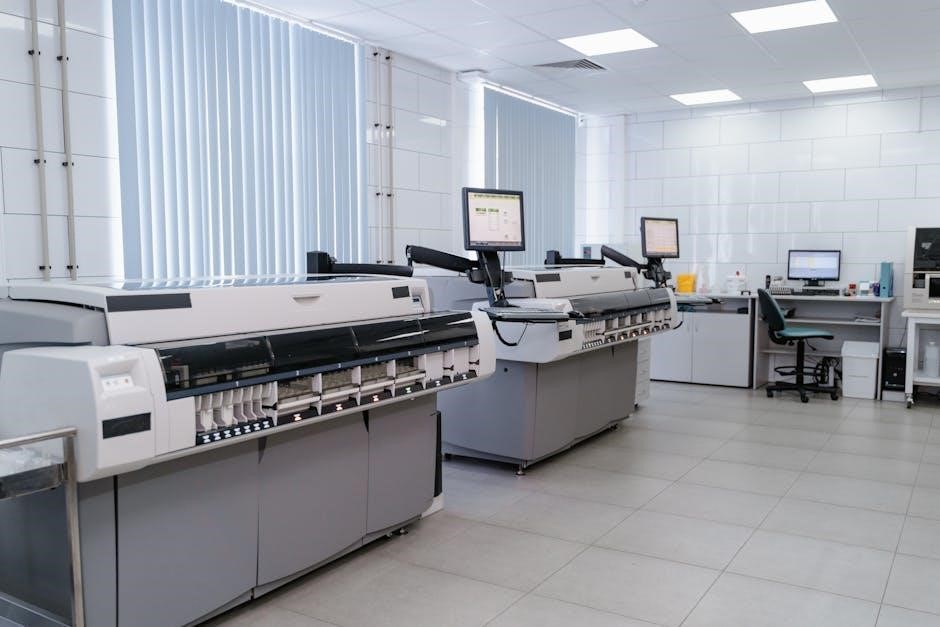
The Sysmex Xn-1000 is a fully automated hematology analyzer designed for efficient and accurate blood cell analysis in clinical laboratory settings․
Components of the Sysmex Xn-1000 System
The Sysmex Xn-1000 system comprises several key components working in harmony to deliver precise hematological results․ These include the main analyzer unit housing the optical system and fluidics‚ a built-in computer for data processing and instrument control‚ and a user-friendly interface for operation․
Essential peripherals consist of a sample probe for automated aspiration‚ reagent packs containing necessary chemicals for analysis‚ and a waste container for disposal of used fluids․ Furthermore‚ the system integrates a quality control module for performance monitoring and calibration materials to ensure accuracy․ Connectivity options‚ such as network interfaces‚ facilitate data management and integration with Laboratory Information Systems (LIS)․ A dedicated printer is often included for immediate result reporting․
System Requirements & Installation
Proper installation of the Sysmex Xn-1000 requires careful attention to environmental and electrical specifications․ The instrument needs a stable‚ level surface capable of supporting its weight‚ with adequate ventilation to prevent overheating․ Electrical requirements typically include a dedicated grounded outlet with specific voltage and frequency parameters – consult the manual for details․
Installation involves unpacking all components‚ connecting the power cord‚ and establishing network connectivity if desired․ Initial setup includes installing necessary software and drivers on the integrated computer․ Calibration and quality control procedures must be performed post-installation to verify accurate performance․ Ensure the surrounding area is clean and free from dust and excessive humidity for optimal operation․
Initial Setup and Calibration
Following installation‚ the Sysmex Xn-1000 requires thorough initial setup and calibration to guarantee accurate and reliable results․ This process begins with powering on the instrument and allowing it to complete its self-check routines․ Calibration involves utilizing specialized control materials with known values to adjust the analyzer’s settings․
The user manual provides detailed‚ step-by-step instructions for performing these calibrations‚ including frequency recommendations and acceptable ranges․ Proper calibration ensures the instrument meets quality control standards․ Regular calibration checks are crucial for maintaining data integrity and traceability․ Documenting all calibration procedures is essential for audit trails and troubleshooting purposes․

Operating Principles
The Xn-1000 utilizes digital flow cytometry for rapid‚ automated hematological analysis‚ providing comprehensive blood cell data with exceptional accuracy and efficiency․
Hematology Analysis Basics
Hematology analysis fundamentally involves the study of blood and its components․ This includes assessing cellular elements – red blood cells‚ white blood cells‚ and platelets – alongside plasma characteristics․ The Sysmex Xn-1000‚ as a sophisticated hematology analyzer‚ automates these processes‚ delivering precise and consistent results․
Key parameters evaluated include complete blood counts (CBC)‚ providing information on cell counts‚ hemoglobin levels‚ and hematocrit․ Differential counts categorize white blood cells‚ aiding in infection and inflammation detection․ Understanding these basics is crucial for interpreting Xn-1000 outputs effectively․ Proper sample preparation and adherence to quality control measures are paramount for reliable analysis‚ ensuring accurate patient diagnosis and monitoring․
Xn-1000 Technology: Digital Flow Cytometry
The Sysmex Xn-1000 utilizes advanced digital flow cytometry‚ a laser-based technology for analyzing individual blood cells․ Cells in a fluid stream pass through a laser beam‚ scattering light in various directions․ These scattering patterns‚ alongside fluorescence signals from specific dyes‚ provide detailed information about cell size‚ granularity‚ and internal complexity․
Digital signal processing enhances resolution and accuracy․ This technology enables precise cell differentiation and identification‚ even in complex samples․ The Xn-1000’s sophisticated algorithms minimize interference and ensure reliable results․ Understanding this core technology is vital for interpreting data and troubleshooting potential issues‚ maximizing the analyzer’s diagnostic capabilities and ensuring optimal performance․
Sample Preparation Guidelines
Proper sample preparation is crucial for accurate results with the Sysmex Xn-1000․ Collect blood samples in appropriate EDTA tubes‚ ensuring a sufficient fill volume․ Mix samples thoroughly‚ but gently‚ immediately after collection to prevent clotting․ Analyze samples within the recommended timeframe – typically within 24 hours of collection – to maintain cell integrity․
Avoid lipemic or hemolyzed samples‚ as they can interfere with analysis․ If delays are unavoidable‚ store samples refrigerated․ Follow established laboratory protocols for sample handling and labeling․ Adhering to these guidelines minimizes errors and ensures reliable hematological data‚ contributing to accurate patient diagnoses and effective treatment monitoring․
Running Analyses
Initiate analyses efficiently by following the on-screen prompts‚ ensuring correct sample identification and monitoring progress for timely‚ accurate hematological results․
Starting a New Analysis
To begin a new analysis on the Sysmex Xn-1000‚ navigate to the ‘Analysis’ menu on the main screen․ Select ‘New Analysis’ and the system will prompt you to enter patient information․ Accurate data entry is crucial for correct result association․
You’ll then be guided through selecting the appropriate analysis mode – whole blood‚ pre-diluted‚ or other specialized settings․ Confirm your selections before proceeding․ The system performs an automated check to ensure all parameters are correctly configured․
Review the summary screen displaying your chosen settings․ Once verified‚ press ‘Start’ to initiate the analysis sequence․ The Xn-1000 will then begin the aspiration and analysis process‚ displaying real-time progress updates on the screen․
Loading and Identifying Samples
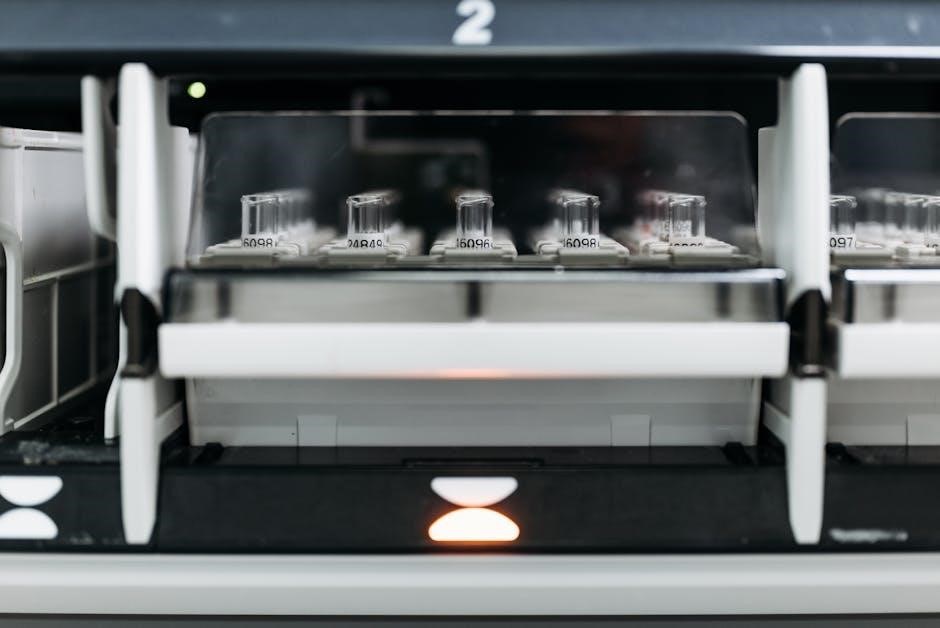
Proper sample handling is vital for accurate results․ Ensure sample tubes are correctly mixed‚ free of clots‚ and within the specified volume range․ Load the sample rack onto the designated area of the Sysmex Xn-1000‚ verifying it’s securely positioned․
The system utilizes barcode scanning for sample identification․ Scan each tube’s barcode‚ ensuring it matches the patient information entered during ‘Starting a New Analysis’․ Manual entry is possible‚ but barcode scanning minimizes transcription errors․
The Xn-1000 will confirm successful sample identification on the display․ Any discrepancies will trigger an alert‚ prompting immediate correction before analysis begins․ Always double-check sample IDs to prevent mislabeled results․
Monitoring Analysis Progress
Real-time analysis progress is clearly displayed on the Sysmex Xn-1000’s interface․ A progress bar indicates the percentage of samples completed‚ alongside estimated time remaining for the entire run․ Individual sample status – queued‚ running‚ completed‚ or flagged – is also visible․
The system provides alerts for any interruptions or errors during analysis‚ such as insufficient reagent levels or sample aspiration issues․ These alerts require immediate attention to ensure data integrity․ Review flagged samples promptly; the system highlights potential anomalies․
Detailed run logs are automatically generated‚ documenting each step of the analysis․ These logs are invaluable for troubleshooting and quality control purposes‚ providing a complete audit trail․

Result Interpretation
Accurate interpretation of hematological data is crucial; this section details parameters‚ flagging systems‚ and quality control for reliable diagnostic insights․
Understanding Hematological Parameters
Decoding the data generated by the Sysmex Xn-1000 requires a firm grasp of key hematological parameters․ This section provides a detailed explanation of each value‚ including Red Blood Cell (RBC) count‚ Hemoglobin (HGB) levels‚ White Blood Cell (WBC) differential‚ Platelet (PLT) counts‚ and crucial indices like MCV‚ MCH‚ and MCHC․
Understanding these parameters allows for accurate assessment of patient health․ We’ll explore normal ranges‚ potential deviations‚ and their clinical significance․ The manual clarifies how the Xn-1000 calculates these values using digital flow cytometry‚ ensuring precision and reliability․ Proper interpretation is vital for effective diagnosis and treatment monitoring‚ enabling informed clinical decisions․
Flagging and Alerting Systems
The Sysmex Xn-1000 incorporates sophisticated flagging and alerting systems designed to draw attention to potentially abnormal results․ These systems categorize findings based on severity‚ utilizing flags for minor deviations and alerts for critical values requiring immediate attention․ The user manual details each flag’s specific meaning‚ guiding users toward appropriate follow-up actions․
Understanding these signals is crucial for efficient workflow․ Flags might indicate cell population abnormalities‚ interference‚ or quality control issues․ Alerts often necessitate manual review of the sample․ The manual provides comprehensive guidance on interpreting these signals‚ minimizing errors‚ and ensuring accurate patient diagnosis․ Proper utilization of these systems enhances laboratory efficiency and patient safety․
Quality Control Procedures
The Sysmex Xn-1000 user manual PDF emphasizes rigorous quality control (QC) procedures to guarantee reliable and accurate results․ It details a comprehensive QC program‚ including daily‚ weekly‚ and monthly checks utilizing established control materials․ These procedures monitor instrument performance‚ reagent integrity‚ and overall assay precision․
The manual outlines specific QC parameters to track‚ acceptable ranges‚ and corrective actions for out-of-range results․ It stresses the importance of documenting all QC data and maintaining detailed records for audit trails․ Following these guidelines ensures compliance with laboratory accreditation standards and minimizes the risk of erroneous reporting․ Consistent QC practices are fundamental to maintaining patient trust and delivering high-quality healthcare․

Maintenance and Troubleshooting
The Sysmex Xn-1000 user manual PDF provides detailed schedules for routine upkeep‚ alongside solutions for common errors‚ ensuring optimal system functionality․
Routine Maintenance Schedules
The Sysmex Xn-1000 user manual PDF outlines comprehensive maintenance schedules crucial for sustained accuracy and reliability․ Daily checks involve visual inspections for leaks and proper reagent levels․ Weekly tasks encompass thorough cleaning of the sample probe and analysis modules‚ preventing carryover contamination․
Monthly procedures detail quality control verification using established control materials‚ alongside performance checks of critical components like the flow cell․ Quarterly maintenance includes deeper cleaning of fluidics systems and calibration verification․
The manual emphasizes adherence to these schedules‚ detailing specific procedures and recommended intervals․ Following these guidelines minimizes downtime‚ extends the instrument’s lifespan‚ and ensures consistently dependable hematology results․ Detailed logs for tracking maintenance activities are also recommended within the PDF․
Common Error Messages and Solutions
The Sysmex Xn-1000 user manual PDF provides a dedicated section addressing frequent error messages encountered during operation․ Common issues like “Fluidics Blockage” are explained‚ with step-by-step solutions including flushing procedures and filter checks․ “Calibration Failure” prompts are detailed‚ guiding users through recalibration steps and potential reagent issues․
The manual also covers errors related to sample aspiration‚ flagging potential clogs or improper tube placement․ Each error message is accompanied by a troubleshooting flowchart‚ assisting technicians in rapid diagnosis․
Furthermore‚ the PDF emphasizes the importance of documenting error occurrences and contacting Sysmex support for unresolved issues‚ ensuring optimal instrument performance and minimizing downtime․ Clear‚ concise explanations are prioritized for efficient problem-solving․
Cleaning and Disinfection Protocols
The Sysmex Xn-1000 user manual PDF outlines strict cleaning and disinfection protocols crucial for maintaining accuracy and preventing contamination․ Daily cleaning procedures focus on the sample probe and fluidics system‚ utilizing specific‚ approved cleaning solutions detailed within the document․
Regular disinfection guidelines cover external surfaces and reagent compartments‚ employing recommended disinfectants to eliminate potential biohazards․ The manual emphasizes the importance of proper personal protective equipment (PPE) during cleaning․
Detailed instructions are provided for periodic deep cleaning‚ including flushing procedures and component-specific cleaning methods․ Adherence to these protocols‚ as outlined in the PDF‚ ensures reliable results and extends the instrument’s lifespan․

Advanced Features
The Sysmex Xn-1000 user manual PDF details data management‚ connectivity options‚ and software upgrade procedures for enhanced functionality and workflow․
Data Management and Export
The Sysmex Xn-1000 user manual PDF comprehensively covers data handling capabilities․ Users can efficiently store‚ retrieve‚ and manage patient results directly within the system’s software․ The manual details various data export formats‚ including CSV‚ Excel‚ and HL7‚ facilitating seamless integration with Laboratory Information Systems (LIS) and other healthcare IT infrastructure․
It explains how to customize data export parameters‚ such as selecting specific hematological parameters and defining date ranges․ Furthermore‚ the guide outlines procedures for archiving data for long-term storage and ensuring data security through user access controls and audit trails․ Detailed instructions are provided on generating reports‚ performing data analysis‚ and troubleshooting common data management issues‚ ensuring efficient workflow and data integrity․
Connectivity and Networking
The Sysmex Xn-1000 user manual PDF provides extensive details regarding system connectivity․ It outlines the necessary network configurations for establishing communication between the analyzer and other devices‚ such as computers and LIS systems․ The manual details supported network protocols‚ including TCP/IP‚ and guides users through the process of assigning IP addresses and configuring network settings․
It also explains how to set up secure connections‚ ensuring data privacy and integrity during transmission․ Instructions are provided for troubleshooting network connectivity issues‚ including diagnosing communication errors and resolving network conflicts․ The guide covers remote access capabilities‚ allowing authorized personnel to monitor and control the analyzer from remote locations‚ enhancing operational efficiency and responsiveness․
Software Updates and Upgrades
The Sysmex Xn-1000 user manual PDF comprehensively explains the software update and upgrade procedures․ It details how to check for available updates‚ download the latest versions‚ and install them correctly‚ minimizing downtime and ensuring optimal performance․ The manual emphasizes the importance of regular updates for accessing new features‚ bug fixes‚ and improved security protocols․
Step-by-step instructions are provided‚ guiding users through the entire process‚ including pre-update backups and post-update verification․ It also addresses potential issues that may arise during updates and offers troubleshooting solutions․ The guide clarifies the differences between minor updates and major upgrades‚ outlining the necessary precautions for each․ Maintaining up-to-date software is crucial for reliable operation․

PDF Manual Access & Resources
Locate the official Sysmex Xn-1000 PDF manual online for comprehensive guidance‚ FAQs‚ and direct access to Sysmex support for assistance․
Locating the Official Sysmex Xn-1000 PDF Manual
Accessing the official Sysmex Xn-1000 User Manual in PDF format is crucial for comprehensive operation and troubleshooting․ Typically‚ the most reliable source is the official Sysmex website․ Navigate to the support section‚ then search specifically for the Xn-1000 series documentation․ You may need to register for an account to download the manual‚ ensuring you receive the latest version with all updates and revisions․
Alternatively‚ authorized Sysmex distributors often provide direct links or copies of the PDF manual․ Be cautious of third-party websites offering downloads‚ as these may contain outdated or compromised files․ Always verify the source’s authenticity before downloading․ The PDF manual contains detailed instructions‚ safety information‚ and technical specifications essential for proper instrument use and maintenance․
Frequently Asked Questions (FAQ)
Q: Where can I find the latest version of the Xn-1000 manual? A: Check the official Sysmex website’s support section․ Updates are frequently posted there․
Q: Is a PDF version always available? A: Yes‚ Sysmex typically provides a downloadable PDF for offline access and easy distribution․
Q: What if I can’t find the manual online? A: Contact Sysmex support or your local distributor; they can assist you directly․
Q: Does the PDF manual require special software to open? A: Generally‚ a standard PDF reader like Adobe Acrobat Reader is sufficient․
Q: Are there different manuals for different Xn-1000 configurations? A: Yes‚ specific modules may have supplemental documentation․
Sysmex Support Contact Information
For technical assistance regarding the Xn-1000 and its manual‚ please utilize the following resources․ Sysmex offers comprehensive support to ensure optimal instrument performance․
Website: Visit www․sysmex․com and navigate to the support section for FAQs‚ troubleshooting guides‚ and downloadable resources․
Phone: Contact your regional Sysmex support center․ Numbers vary by location; consult the website for details․
Email: Submit inquiries through the online contact form on the Sysmex website․ Expect a response within 24-48 business hours․
Local Distributor: Reach out to your authorized Sysmex distributor for personalized assistance and on-site support․